Mindfulness – What Does That Even Mean?

Gillian White – MSc, PhD (Candidate), University of Toronto Mindfulness Part I. What does that even mean?? Clearing the mist around what mindfulness means and why it’s not just a trend. If you have a hard time reading this sentence without thinking about your to-do list or reaching for your phone – this one’s for
The Power Plate – A Way To Power Your Workout

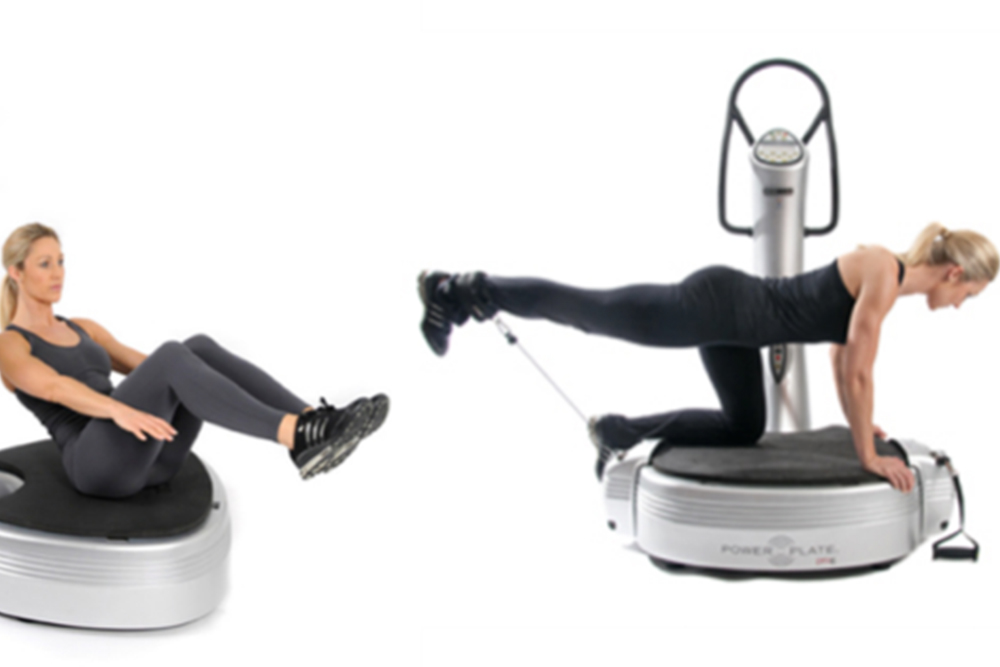
Julia Basso – PhD I am really excited to say that I joined a new gym – the Summit, NJ YMCA.  It is fully equipped with all of the best workout equipment and many machines that I have never seen before.  I was introduced to one called the power plate.  It is a rather sizable

Fit and Happy

Catherine O’Brien Fit and Happy Growing up, my mother always encouraged me and my three siblings to “run it out” to help cope with our emotions. Whether it be a bad test grade, a fight with a friend or anxiety about an upcoming game, running was always prescription #1. I feel fortunate to have learned

Exercise And PMS

Catherine O’Brien Exercise and PMS: A case for exercising during menstruation To exercise or to rest? That is the question many women face once a month when they get their period. The fatigue, achiness and cramping can be enough to make you hit the snooze button or ditch your post work cardio session. Premenstrual syndrome

Coffee: Fitness Friend or Foe?

Adriane Cook B.S. Kinesiology, Michigan State University www.balancewithme.com Nothing quite unites a country like its love for coffee.  People will stand in unusually quiet lines to purchase it, cram into hobbit-size buildings to enjoy it, and will high-five a stranger once (and not a moment before!) the sweet caffeine nectar touches their lips. So it’s

The Stages Of A Woman’s Sleep Life: Menstruation and Menopause

Adriane Cook B.S. Kinesiology, Michigan State University www.balancewithme.com Is it true that men tend to sleep better than woman? Researchers believe “Sex differences in sleep begin at a very early age and women report poorer sleep quality and have higher risk for insomnia than do men.” (Sleep and Women’s Health, National Center for Biotechnology Information,

Improve Performance With Mobility Training

Lauren Rubadeau There are several factors in our modern lifestyles that can affect our physical well-being and leave us feeling aged beyond our years. Sitting for extended hours throughout the day at a desk, overall lack of movement, or even repetitive movements that comprise our range of motion can leave our bodies feeling stiff and

What Is Your Why?

Forever Fit Science Master Athletes tell their why for competing and staying active.  From not being a hamster to winning gold medals, these athletes’ stories are inspiring.  Watching this video will get you thinking, what is your why? You Might Like:

Laughter Yoga – The Next Big Thing

Dayton Kelly Why Laughter Yoga may be your next big thing A new type of yoga is fast emerging in fitness studios across north American: laughter yoga. Laughter Yoga is a variation of regular yoga in which participants are encouraged to laugh, even if they do not find anything funny. The class proceeds similarly to

Positive Workouts Get Results

Think Positive Thoughts For A Better Workout

Julia Basso – PhD Does the way that you feel during exercise motivate you to exercise? Or on the contrary, do you avoid exercise because of the way you feel during your workout? I crave my workouts because of the way I feel, not necessarily during exercise, but certainly afterwards. I love that exercise high!

How Much Protein Do Women Really Need?

How Much Protein Do Women Really Need?

Lauren Rubadeau How Much Protein Do Women Need Based on their Activity Level? With New Year’s resolutions in full swing and many looking to improve their health in 2017, I am here today to touch on the significance of protein and just how much of it women need to consume based on their activity level.

Exercise: A Magic Pill To Help Protect The Brain From Cellular Pathology

Julia Basso – PhD The opening statement in a recent article in the Journal of the American Medical Association reads, “Pathology is not destiny” (Kuehn, 2015).  This statement is based off of a huge prospective study that followed 2,566 healthy, older adults (ages 65 years and up) for around 16 years.  During the study participants were